Theoretical framework
Andrea Rosales Climent analyses various cultural products within a theoretical framework concerning these perspectives: unfair practices, practices against user interest, hidden information, illegitimate manipulative personalization, the exploitation of users’ vulnerability, the right to equal treatment and the right to be treated with dignity.
The expert analyses the imaginaries about automation and algorithmic systems in two cultural products. Automation imaginaries are already embroidered in culture. Writers, journalists and documentalists contribute to the construction of the related imaginaries and, at the same time, embed the imaginaries of the society in their products. I particularly analyse two best-seller books:
- Uncanny Valley, by Anna Wiener
- Quality Land, by Marc-Uwe Kling
Uncanny Valley shows the techno-optimism of most tech workers who are not aware or are not interested in being aware,
of the potential social implications of the technologies they develop. The author shows how tech culture contributes to creating this believer
team, where employees are Down for the cause
of the project, and any critical view is disregarded. In the book Wiener shares her memoirs as a misfit
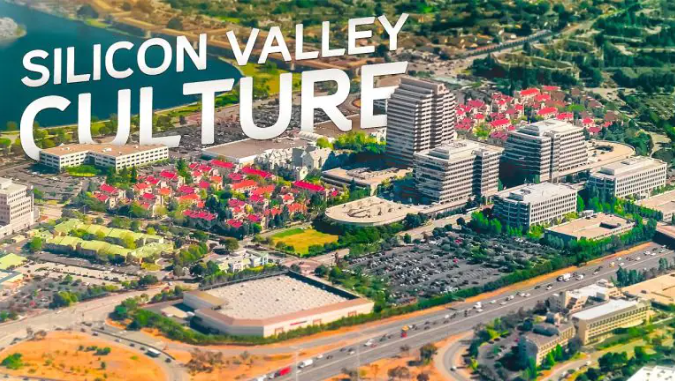
employed of the Silicon Valley . A privileged standpoint to observe the culture of the tech companies in the Silicon Valley .
Throughout the book, the author reflects on the moral implications of data collection and manipulation among technology companies:
Silicon Valley might have promoted a style of individualism, but scale bred homogeneity
The tech culture in Silicon Valley is very much part of the worker’s imagery. Rosales pointed out that most tech workers are not interested in dealing with data ethics problems and are totally into the techno-optimistic approach. This means that there is a general belief among workers that technological developments will do more good for humanity than harm, that the solution to people’s problems lies in technological innovation, and that they are actually the ones solving these problems.
References
Guerrero-Solé, F., Suárez-Gonzalo, S., Rovira, C., & Codina, L. (2020).
Medios sociales, colapso del contexto y futuro del populismo de datos. Profesional de la información
Suárez-Gonzalo, S. (2019).
Personal data are political. A feminist view on privacy and big data. Recerca. Revista de Pensament i Anàlisi, 24(2), 173-192.